
The Math Behind XRP's $210 Price Target: A Valuation Claim with a Price Multiplier
Key Summary
A trader's viral prediction of XRP reaching $210 by the end of 2026 has sparked debate, with a basic calculation suggesting a market cap of $13.26 trillion on circulating supply and $21 trillion on maximum supply. The prediction must explain the demand and value capture that could support such a price.
Precedent & Market Context
Stablecoin payment volumes surged by 45% to $482B in Q3 2026, driven by businesses and card spending, while stablecoin supply remained stagnant at around $304B. Fintechs are exploring ways to offer yield on stablecoin balances, and EU regulators have banned stablecoin yield across DeFi platforms.
Main Event
A trader has made a viral prediction of XRP reaching $210 by the end of 2026, with a basic calculation suggesting a market cap of $13.26 trillion on circulating supply and $21 trillion on maximum supply. The prediction must explain the demand and value capture that could support such a price.
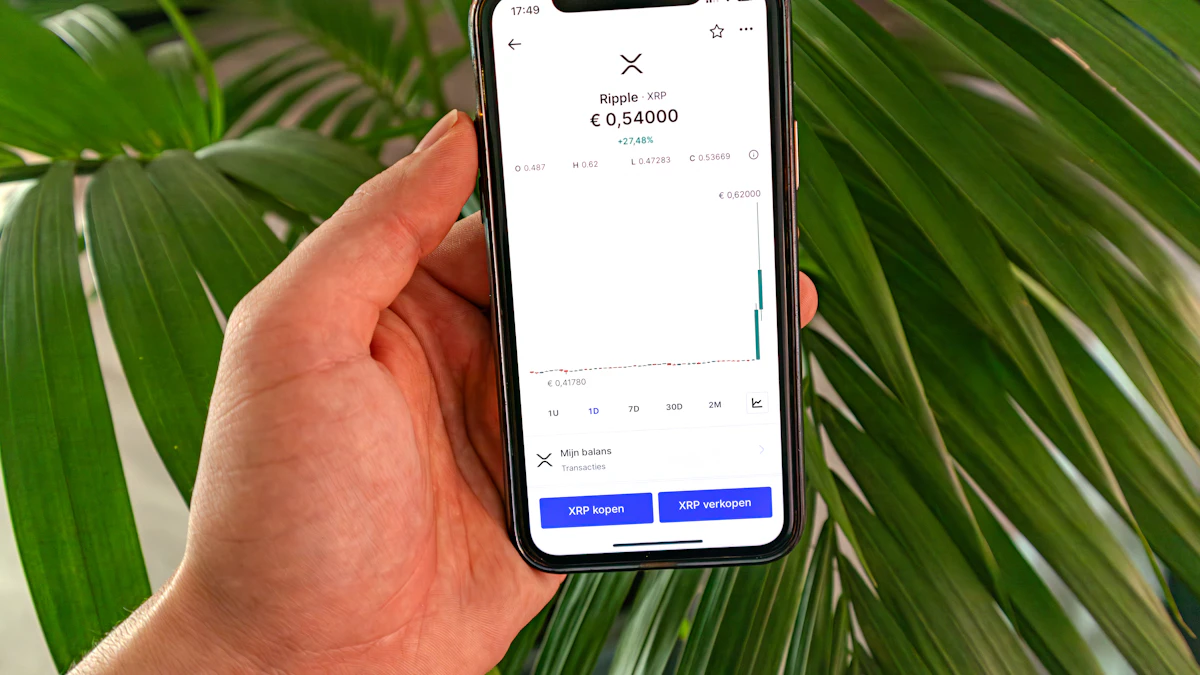
Crypto Captain posted that XRP would reach $210 before the end of 2026, drawing pushback from XRP supporters. The token was trading around $1.31, down from approximately $1.50 on October 6, a decline of roughly 13%. The arithmetic-not Ripple’s expanding business alone-is the test the prediction has to pass.
Analysis & Market Impact
The prediction is based on a simple calculation: price multiplied by token supply. Using approximately 63.13 billion circulating XRP, $210 produces an implied XRP market cap of about $13.26 trillion. Applying the same price to the full 100 billion maximum supply yields a fully diluted valuation of $21 trillion.
However, reaching $210 would require the token price to rise about 160-fold from that level, or 15,900%, which is not a routine extension of a bullish chart target but a claim that XRP would command a multi-trillion-dollar valuation.
Market capitalization is the circulating token count multiplied by the proposed price, not a forecast of how much capital would need to flow into XRP. But a target of that scale still requires a credible account of why buyers would value the outstanding supply at $210 per token.
Implications & Outlook
The central investment question is whether Ripple’s business growth creates sustained demand for XRP itself. That depends on the role the token plays in institutional activity, not simply the number of partnerships or services associated with Ripple.
RLUSD custody gives institutions a way to hold Ripple’s stablecoin, and the stablecoin may also serve as collateral in institutional trading. These uses can expand Ripple’s financial infrastructure while leaving clients without a need to hold significant XRP balances.
A more direct demand channel would emerge if institutions used XRP to transfer value between currencies or provide trading liquidity. The scale of that activity-and the XRP balances participants retain to support it-would matter more to token valuation than the headline count of Ripple announcements.
The $210 call is a social-media assertion, while its implied valuation is clear: approximately $13.26 trillion on circulating supply and $21 trillion on the maximum supply. Those figures put the burden on the prediction to explain the demand and value capture that could support such a price.
- The trader’s prediction of XRP reaching $210 by the end of 2026 is based on a simple calculation: price multiplied by token supply.