
October 13th 2026, 3:38 PM
Tech Giants Invest Heavily in Nuclear Power to Meet AI-Driven Demand
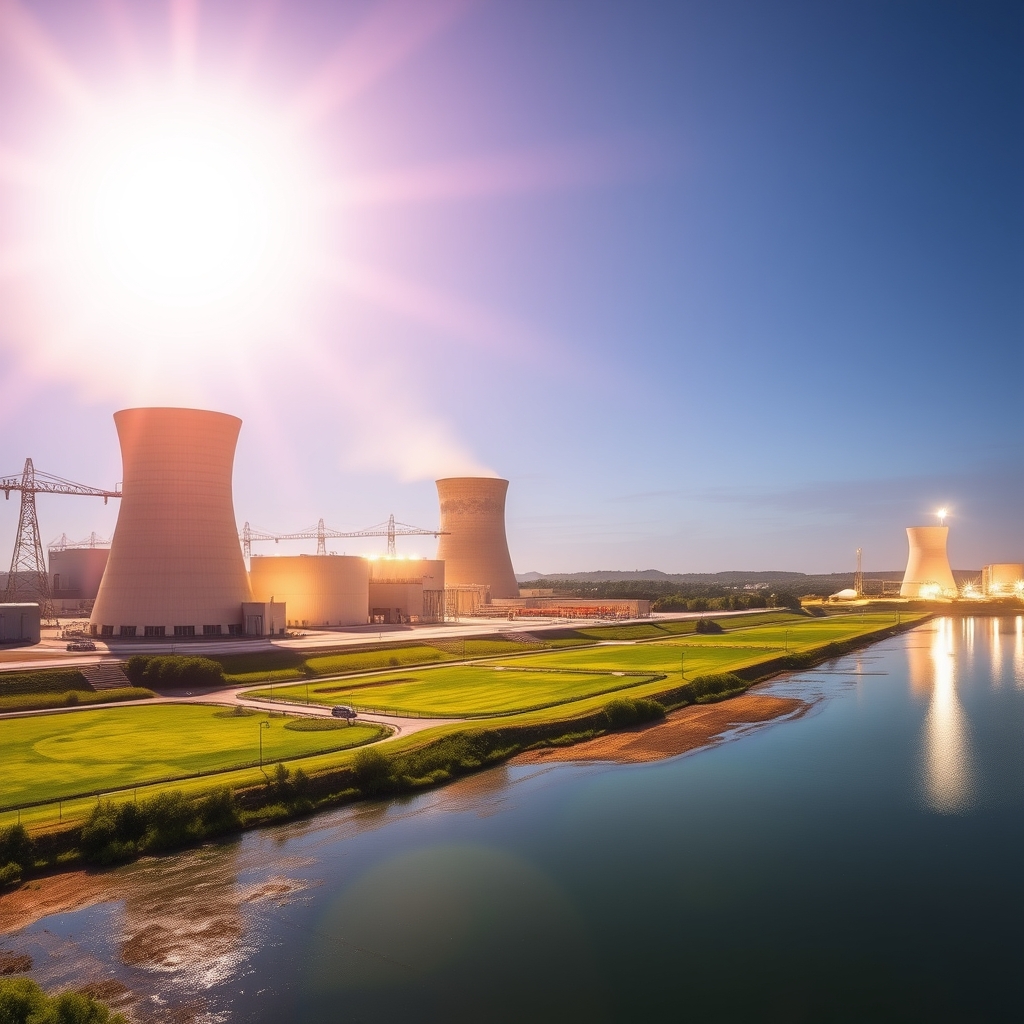
Key Summary
Big Tech companies like Google, Amazon, and Microsoft are investing heavily in nuclear power to meet the growing demand for electricity from their AI data centers and cloud computing operations. The companies are upgrading existing reactors, rather than waiting for new ones to be built, in a bid to increase nuclear capacity and improve grid reliability.
Please see our real time news feed on our Home Page
The Need for Nuclear Power
Big Tech companies need enormous amounts of electricity for AI data centers and cloud computing. A growing share of that hunger is now being fed by upgrading reactors that already exist, rather than waiting years for new ones to be built.The Details of the Deals
The industry term is an uprate. Think of it as tuning a car's engine for more horsepower instead of buying a new car. Operators modernize equipment at an existing reactor so it can produce more electricity than it was originally rated for.Google's Deal with Constellation Energy
Under the deal, uprates across 11 reactors are expected to add 890 MW of capacity. All of those reactors sit on the PJM grid, one of the largest regional power networks in the US.Amazon's Deal with Constellation Energy
Amazon is pursuing the same playbook. Its own recent agreement with Constellation supports an uprate of about 190 MW at the Calvert Cliffs plant in Maryland, part of the company's broader strategy of buying nuclear output.Microsoft's Approach
Microsoft has taken a different route. It plans to bring the former Three Mile Island Unit 1 back into service, a restart rather than an upgrade.The Broader Picture
Zoom out to the whole sector, and the numbers get larger. Tech company PPAs with US reactors now cover approximately 8.5 GW. Deals tied to small modular reactors, or SMRs, reach 45 GW.The Limitations of Uprates
The gap between those two figures is telling: most of the SMR capacity is a promise about the future, while the existing-reactor deals involve plants that are already running.The Future of Nuclear Power
The arrival of AI changed the math. Data centers need power that runs around the clock, regardless of weather. Electricity demand from these facilities is projected to double by 2030, and that puts reliable baseload generation like nuclear back in the spotlight.The Short-Term Fix with a Ceiling
Uprates solve a timing problem. Tech companies need power in the near term, but this is a finite resource. Each reactor can only be pushed so far, and the number of plants suitable for meaningful uprates is limited.The Economic Benefits
Nuclear operator stocks have seen sharp increases as tech demand has grown. Operators such as Constellation and Vistra are positioned to potentially benefit from continued appetite for nuclear capacity.The Job Creation Potential
These projects could create thousands of jobs in construction and plant operations. More output from existing reactors could also improve grid reliability, with tech companies footing much of the bill.#Tech#NuclearPower#AI#Energy#US