
Bitcoin Order Book Depth Masks Phantom Liquidity Risks
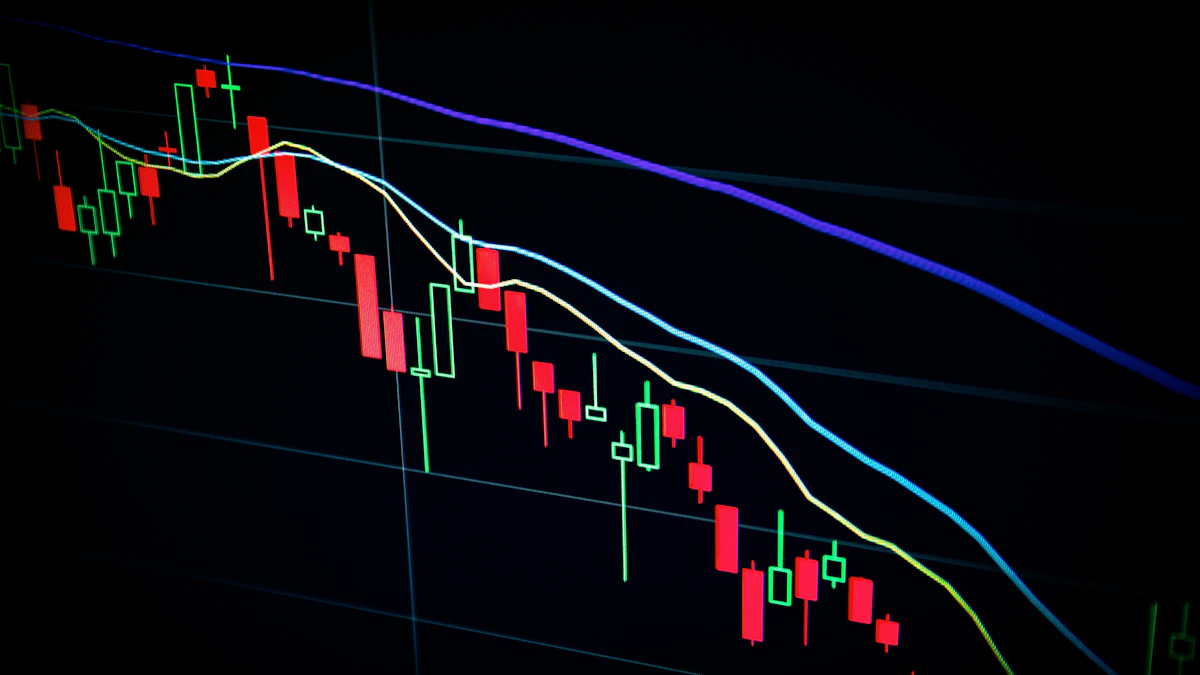
Key Summary
Bitcoin order books reveal resting buy and sell intent across fragmented exchange venues, yet multi-million-dollar bid walls frequently vanish before execution. Coinglass market data from Sunday, Nov. 22, 2026, details how rapidly displayed liquidity shifts on major bitcoin futures platforms, highlighting the gap between advertised support and executable capital.
Key Bullets
- Coinglass data from Sunday, Nov. 22, 2026, illustrates how rapidly displayed liquidity can change across major bitcoin futures platforms.
- Order books display resting purchase and sale requests, separating completed transactions from ongoing negotiations across independent exchange venues.
- Walking the book during large liquidation events produces slippage as market orders consume multiple bids below the prevailing price.
- During the Oct. 10, 2025, cryptocurrency liquidation event, reported top-of-book depth contracted by more than 90% on certain venues.
Deconstructing Bitcoin Order Book Liquidity
Bitcoin price action relies on electronic marketplaces where buyers and sellers continuously negotiate through resting orders. Order books organize outstanding purchase and sale requests by price and quantity before transactions occur. Unlike technical indicators that interpret historical price movements, an order book offers a real-time glimpse into underlying supply and demand. Every venue maintains its own independent market structure, meaning bitcoin has no single universal ledger.
The highest purchase offer represents the best bid, while the lowest selling offer establishes the best ask. Their difference forms the spread. Market depth measures the cumulative quantity of bitcoin available for purchase or sale across specified price intervals. Large concentrations at individual prices form bid walls or ask walls, which traders frequently interpret as potential support or resistance.
Slippage And Phantom Order Dynamics
Substantial market orders execute against available quotations rather than waiting at a predetermined limit price. When a seller liquidates 50 BTC against shallow bids, the transaction walks the book and produces slippage between the anticipated execution price and the average price ultimately received. Actual markets remain considerably less accommodating than static depth charts suggest.
Market makers can cancel or reprice quotations within milliseconds when sudden volatility threatens their positions. Market participants distinguish between displayed depth, persistent liquidity, and executable liquidity. Visible buying power can evaporate without a single transaction taking place, exposing traders to sudden execution risks.
Liquidity Shocks Across Derivatives Order Books
Such rapid quotation withdrawals materialized during the November 21 weekend session, when spot order-book depth on Binance and Coinbase thinned dramatically. As macro equity pressures forced a cascade of liquidations totaling nearly $2.4B, visible buying power evaporated across major centralized venues. Automated margin calls rapidly exhausted resting bids, proving that displayed liquidity offers little structural defense when systemic stress tests electronic exchange order books.
Impact score:3 out of 5 | Narrative Tracker:Exchange Operations & Market Liquidity
About CryptoNewsFree Market Intelligence Wire
The CryptoNewsFree Market Intelligence Wire provides rapid, objective coverage of breaking crypto developments, regulatory actions, and market liquidity trends. Our reporting strictly follows our Editorial & Verification Standards.